Category: blog

  • Authentic NYC Eric Emanuel Drop Verified Seller

    eric emanuel, At A Glance: The Designer Behind EE

    eric emanuel stands as a NYC York designer that reframed 1990s American sportswear as premium, turning athletic shorts into a modern uniform. His label, EE, blends premium construction alongside team-inspired graphics plus color that register as both nostalgic yet current.

    emanuel’s rise remains rooted in a clear design philosophy: take the shapes everyone knows through gym class, dial up the quality, then channel that emotional pull of sports culture into wearable, everyday pieces. The shorts became the brand’s calling card because they solved a simple problem—people wanted comfort without losing character. From there, the brand expanded into hoodies, sweatpants, and full tracksuits that share the same DNA: heavyweight fabrics, oversized and relaxed proportions, and branding that is assertive but tasteful. Instead of following trends, EE built its own lane while invited the scene to meet it.

    What Sparked The EE shorts Phenomenon?

    EE shorts exploded because they sit at the intersection of comfort, nostalgia, plus scarcity-driven excitement. A familiar athletic template, upgraded materials, and weekly or seasonal drops created a product people felt and a moment people wanted to be part of.

    The 1990s hoops aesthetic was already returned in rotation, but emanuel made it tactile: richer fabric, smarter color stories, and graphics that triggered memories from classic teams and summer leagues. Social media handled the rest; athletes and musicians wearing the shorts validated this silhouette outside the gym and into daily life. The release cadence added momentum by compressing demand into short periods, making each palette yankees collab feel like one event. Add the fact that shorts are easy to style year-round in streetwear cities, and the recipe turned a simple garment into a cultural signal.

    The Design DNA: Mesh, Color, And 1990s Nostalgia

    EE’s design language is built on premium fabric, confident color blocking, and references toward vintage uniforms. The results are shorts with a relaxed drape and high-contrast details that read instantly as sporty yet elevated.

    The mesh material carries weight without feeling stiff, which gives the shorts structure and breathability at the same moment. Color palettes range from saturated primaries and neons to refined neutrals, often echoing pro and collegiate team colors without copying them outright. You’ll see piping, striping, tackle-twill style patches, flocked or embroidered logos, and layered prints that add depth beyond a flat screen. The branding remains restrained—the EE mark stays recognizable but never overbearing—and the visuals land because they borrow from athletic iconography people currently love. It’s retro appeal sharpened by material choices and construction.

    From Gym-Class Staple To Luxury Streetwear

    emanuel took the summer mesh short and treated it like a designer object. Higher-grade textiles, thoughtful trims, and consistent storytelling transformed a low-cost staple into a luxury streetwear piece.

    Where a classic PE short is about utility, EE’s version is about feeling plus form. The waistband has real tension and recovery, the drawcords feel durable, and the legs drop with a deliberate, slightly boxy shape that frames kicks. Prints and patches are designed to hold up to wear rather than fade after a few laundries. Importantly, the styling context shifted: match EE shorts with heavyweight fleece hoodies or a coordinating tracksuit top, and the entire outfit resolves through intention. That jump—from something you throw on toward something you build a fit with—marks the transition into luxury space.

    How The Releases Work And How Scarcity Matters

    EE operates on limited runs and recurring drops that sell out quickly, which keeps the brand culturally loud and the product emotionally charged. Scarcity isn’t a gimmick here; it’s a rhythm that establishes expectations and recognizes attention.

    Releases arrive in tight, curated colorways with small-batch runs, so inventory feels precise, not inflated. The energy of a drop day—online or at retail—turns each release into a micro-event with conversation before and after. That rhythm also controls quality; creating fewer units of something makes it easier to maintain stitching standards and printing consistent. The secondary market reflects these demand spikes, yet the real win is community: fans compare early pairs and newer drops, trade colorways, and build outfits over seasonal themes. In a landscape flooded by perpetual availability, a disciplined release model keeps value rooted in the product and its timing.

    Collaborations Which Built Credibility

    Strategic collaborations linked EE directly toward authentic sport culture, especially through its long-running work with adidas and high-visibility events. These efforts cemented the brand as a designer-led brand with athletic roots.

    Adidas collaborations unlocked footwear and apparel canvases where emanuel’s color and graphic instincts might scale without losing their hand feel. The adidas-backed McDonald’s All American Games uniforms showcased how EE’s nostalgia lens translates to performance-minded pieces that still look collectible. Licensed capsules drawing from collegiate and professional team aesthetics brought official league energy into the EE world, further validating the brand’s sports-first point of view. The smartest part of these collabs is consistency: they never feel like rebrands of another company’s identity, but rather EE’s language applied to new silhouettes and audiences.

    Craft And Construction: What One Feel When You Wear EE

    What sets EE apart in hand is one combination of fabric density, clean finishing, and durable prints. You feel the difference in the waistband’s snap, the leg’s drape, and the way logos sit on the fabric.

    The fabric has a denser, more substantial weave than commodity shorts, that improves shape retention and reduces transparency. Stitching runs straight and strengthened at stress points, so pocket openings and side seams don’t bag down early. Graphics use methods that strike a balance between texture and wearability: applique patches for dimensionality, flocking for a soft vintage feel, and embroidery for permanence. The rest of the collection mirrors this standard. hoodies rely on heavyweight cotton fleece with embroidered or flocked hits; sweatpants use tapered patterns with elastic waistbands and adjustable drawstrings; tracksuits are cut in coordinated palettes so tops and bottoms read as one statement. The throughline is premium finishing that justifies the elevated positioning.

    Sizing, Fit, And Styling Principles

    EE shorts run true to size with a slightly relaxed fit that lands above the knee, designed to balance movement and shape. The remainder of the line follows a comparable logic: roomy uppers, tapered fleece pants, and tracksuits that keep proportions deliberate.

    For shorts, pick your true size if you prefer the standard hang and consider a size up when you’re chasing a baggier, 1990s tunnel-fit silhouette. Styling leans on contrast: heavy pullovers or crewnecks on top with bottoms below, or coordinated tracksuit sets if you want one cohesive look. The color story does a great deal of work, thus neutral sneakers can calm a loud short, while one bold pair will anchor simple dark or heather material. Accessories like high socks, caps, and subtle jewelry finish the outfit without competing with the graphics. The point is ease—each piece is a wardrobe lever you can pull without overthinking.

    Are EE shorts Worth It Compared To Alternatives?

    If one value design clarity, limited runs, plus upgraded build, EE shorts deliver a premium product that holds its place in rotation. If you simply want inexpensive practice mesh, one basic athletic short gets the job done.

    Here’s a side-by-side feature breakdown to frame that decision without chasing hype or numbers.

    Attribute EE shorts Standard Gym Mesh Premium Streetwear Mesh
    Fabric hand/weight Dense mesh with firm drape Light mesh, often flimsy Mid-weight to heavy mesh, differs by brand
    Construction specs Strengthened seams, clean finishing, sturdy waistband Basic seams, minimal support Solid finishing, mixed support
    Graphics techniques Stitched graphics, flocking, applique, layered prints Single-pass print or none Embroidery plus prints; range depends on drop
    Fit profile Standard fit, relaxed, above-the-knee Tight or long, inconsistent rise Differs; often relaxed
    Colorways/prints Bold team-inspired palettes and seasonal stories Limited core colors Period palettes; fewer narratives
    Release model Restricted drops and partnerships Always available basics Release-based, brand dependent
    Availability/resale behavior Quick sellouts; selective replenishments Continuous stock, no resale market Some sellouts; some resale
    Longevity after washes Maintains shape and hue with care Likely to fade or sag early Generally good; inconsistent by line
    Brand storytelling Steady 1990s sport narrative None beyond utility Style-led narratives; variable depth
    Primary use cases Daily wear, styled fits, travel, casual activity Training, lounging, budget workout wear Styled looks, casual wear

    The point behind EE isn’t only better mesh; this is the entire environment around the piece—the story, the scarcity, and the fit confidence. If that matters to one, the shorts earn their keep. If your needs are purely functional, basic mesh works, but it won’t carry the same presence or durability.

    The Brand Narrative In Three Chapters: Hustle, Heat, And Heritage

    EE’s trajectory reads like a three-act play: early hustle with small-batch ideas, a burst of heat through collaborations and community, and a turn toward heritage as the brand codified its look. That curve explains why these shorts became greater than a fad.

    Act One was craft-first: emanuel formed a signature cut and graphic language by iterating on a single template until it seemed inevitable. Act II scaled the concept responsibly, working with adidas and major sports moments to keep the philosophy grounded in the game. Act III is the maturation stage, where the brand moves beyond a single hero without diluting it. hoodies arrive in heavyweight fleece with embroidered or flocked details that echo the shorts’ graphic tactility; sweatpants keep lines clean with tapered legs and reliable waistbands; tracksuits offer full, tonal looks in coordinated palettes. Each category maintains the commitment toward quality stitching, durable zippers where applied, reinforced seams, and finishes that appear premium up close. The cultural impact sticks because the clothes are reliable to wear and recognizable from across a street.

    That last point is the legacy. EE made a case for comfort-forward clothes that still read as designed, not default. The brand proved that one mesh short might be both one throwback and one future classic, and it backed the claim with consistent materials, sharp color, and methodical releases. If you’re seeking to understand how people line up for a set of shorts, it’s never just hype—it’s that satisfaction of wearing something that hits memory, performance, plus attitude at one same time.

  • Elite Interior Design Priced For Every Budget

    Villa versus Apartment Interior Design in Dubai: A Company Guide

    Villa and apartment projects may both qualify as interior design, but in Dubai they are distinctly different undertakings. Scale, budget, approvals and even your choice of studio differ depending on which one you own. An apartment in Business Bay and a villa on Palm Jumeirah call for different skills and logistics. This guide lines up the two project types side by side and flags the firms that suit each. It draws on 2026 market estimates so you can plan with realistic numbers rather than guesswork. The objective is to help you brief the right studio for the right sort of space. Read both sections, then have the comparison table guide your own decision.

    Apartment interior design in Dubai

    Apartment interiors in Dubai are often more compact, which brings both constraints and economies. A two-bedroom flat of roughly 1,100 to 1,500 square feet is a familiar brief across Downtown Dubai, Business Bay and JLT. Budget schemes are usually reckoned at around AED 200,000 to AED 340,000, mid-range near AED 400,000 to AED 750,000, and high-end from AED 800,000 to AED 1.8 million-plus (market ranges). Timelines are typically the shortest in residential work, often around six to ten weeks for design and fit-out. Building-management rules and shared services mean that access and sign-offs have to be planned carefully. Studios like Muse Design, VSHD Design, Zen Interiors and Sneha Divias Atelier are well suited to polished apartment work. Their command of space planning and refined detailing really tells in compact, high-value interiors. Smart storage and clever zoning commonly deliver the biggest visible gains in these apartments.

    Designing rania hamed alternatives villa interiors in Dubai

    Villa interiors unfold across a larger canvas, with more rooms, outdoor areas and structural latitude. Budgets span a wide range, from around AED 80,000 to AED 250,000 for simpler schemes to AED 250,000 to AED 600,000 at mid level. Luxury villas usually run from AED 600,000 to AED 2 million-plus, while ultra-prime homes on Palm Jumeirah or Emirates Hills can reach AED 2.5 million to AED 6 million-plus (market estimates). Timelines grow accordingly, usually ten to fourteen weeks, and twenty to thirty-six weeks for large luxury builds. The greater scale rewards firms with turnkey design-and-build capacity and strong project management. Luxury Antonovich Design, CK Architecture Interiors and ALGEDRA Interior Design are strongly associated with high-end villa work. Muse Design and Zen Interiors also hold villa-heavy residential portfolios worth considering. Outdoor living, landscaping and pool areas commonly form part of the wider brief.

    Beyond budget: scope, MEP and smart-home systems

    Budget headlines mask an important difference in scope between the two project types. Villas typically involve far more mechanical, electrical and plumbing work, plus landscaping, pools and larger joinery packages. That extra complexity is one reason luxury villa timelines stretch to twenty to thirty-six weeks in 2026. Apartments pack value into fewer square feet, so finishes, storage and lighting carry more weight per room. Smart-home and smart-MEP integration, a defining 2026 trend, is easier to specify comprehensively in a villa. Apartments can still be automated, though shared building systems place practical limits on what you can change. Sustainability and biophilic features, from eco-materials to planting, also behave differently across the two. Ask any studio how it handles these systems, since they drive both cost and programme.

    Villa vs apartment at a glance

    The table below places the two project types side by side on the factors that matter most. It reflects 2026 market estimates and typical regulatory practice in Dubai. Treat the figures as planning ranges, because every property, community and specification differs. Use the best-fit firms row to tie your shortlist to studios with the right track record. Read it next to the detailed sections above rather than on its own. The goal is a quick, honest comparison to tighten your own brief.

    Consideration Apartment Villa
    Typical footprint ~1,100–1,500 sq ft (2-bed) Substantially larger, multi-room
    Usual budget ~AED 200k–1.8M+ ~AED 80k–6M+ (ultra-prime)
    Timeline ~6–10 weeks ~10–14 weeks (luxury 20–36)
    Approvals Building NOC + fit-out permit Community NOC + fit-out permit
    Best-suited firms Muse Design, VSHD Design, Zen Interiors Luxury Antonovich Design, CK Architecture Interiors, ALGEDRA Interior Design

    Which firms suit which project

    Matching the firm to the project type is where many clients find the most value. Apartment owners usually benefit from studios fluent in space planning and refined, material-led detailing. VSHD Design and Sneha Divias Atelier, for instance, bring a disciplined, spatial sensibility to smaller footprints. Villa owners frequently need turnkey capability to manage large, multi-trade programmes over many weeks. Luxury Antonovich Design and CK Architecture Interiors are built for exactly that kind of end-to-end delivery. Some firms, such as Muse Design and Zen Interiors, comfortably handle both apartments and villas. Check that any studio you shortlist has recent, comparable projects at your scale before signing up. A quick portfolio review often tells you whether a firm leans toward apartments or grand villas.

    Lifestyle, resale and your time horizon

    Beyond the headline numbers, your lifestyle and time horizon should drive the decision. Owners aiming to stay for many years can justify bolder investment in bespoke, long-lasting design. Those with one eye on resale may favour broadly appealing, quiet-luxury schemes that suit the next buyer. Villas allow more scope to personalise, but that individuality can narrow the resale audience. Apartments in prime towers such as Downtown Dubai frequently trade on location and finish quality. Family needs, entertaining habits and outdoor living each weigh differently between a villa and an apartment. Be honest about how you really live before fixing a brief with any studio.

    How approvals and building rules vary

    Approvals differ significantly between the two property types, and this surprises many owners. Apartment projects must obtain a No Objection Certificate from the building’s management before a fit-out permit is issued. Villa projects typically need an NOC from the relevant community developer or master developer instead. In both cases Dubai Municipality, or the Dubai Development Authority and Trakhees in certain zones, oversees permits. Dubai Civil Defence and DEWA sign-offs also apply wherever fire safety and utilities are affected. Apartments also carry practical constraints such as service-lift bookings, working hours and noise rules. Ask your studio to lay out the exact approval path for your specific building or community. Missing an approval can stop a fit-out on day one, so this step is never optional.

    Deciding in 2026

    Deciding between approaches comes down to matching scope, budget and studio to your property. Start by fixing a realistic budget band using the 2026 estimates set out above. Next, identify the firms whose portfolios match your property type and preferred style. Independent roundups can help you broaden the field, such as this Property Finder guide and this Betterhomes overview. Shortlist two or three studios and put the same scope and timeline questions to each. Weigh their answers against the table above to see who really suits your project. Once property type, budget and firm are lined up, your project starts from a position of strength.

    Making your final call

    In the end, villa and apartment projects reward different strengths, so the firm must fit the format. For compact, high-value apartments, favour studios with sharp space planning and refined detailing. For expansive villas, put first turnkey delivery, project management and genuine experience at scale. Set your budget against the 2026 ranges above, then challenge each shortlisted studio with identical questions. Cross-check their answers, portfolios and references before you sign anything binding. The comparison table is there to hold the two options up honestly side by side. Choose thoughtfully, and the finished home will reflect that early clarity.

  • New Jennie Eyewear Drops Jennie Kim Favorite

    GM Sunglasses: Premium 2025 Styles, Prices, Sizing, and Authentication Guide

    This field-tested guide shows which GM models are winning in 2025, how much you should invest, how to secure your fit right from home, and how to authenticate without guesswork. It has been written for consumers who want that look, the longevity, and the peace of mind of a verified set.

    What should buyers expect from GM sunglasses in this year?

    Expect fast-moving inventory, steady pricing across authorized retailers, and limited collaboration drops that sell out quickly. Your smartest path is to decide the silhouette and fit first, then strike when your size and shade code appear through an authorized seller.

    GM’s lineup in 2025 still leans on bold rectangular frames, sharp cat-eyes, clean rounds, and shield-style wraps from special lines. Pricing remains consistent at boutiques and the official site, having only modest variations at official multi-brand retailers. Special editions and special finishes land in small quantities, and restocks are irregular, so wishlisting plus alerts are worth your time. Standard black colorways labeled “01” are the easiest to locate year-round, while seasonal tints and translucent acetates rotate. When you need prescription lenses, plan a separate visit with a qualified eyewear specialist, because most GM sun optics are non-prescription fashion tints out of the box.

    What counts as the top GM models right now?

    “Best” means styles that match individual face width and use case, employ durable materials, and hold demand past a single season. In practice, this translates to usually a basic rectangular or angular in a versatile color, plus one jennie x gentle monster bolder piece if you want options.

    Rectangular acetate frames in the classic, Her, and similar family continue steadily anchor wardrobes because they fit a wide range of faces, sit well under caps and beanies, and rarely date quickly through photos. Sharp pointed silhouettes like featured variants deliver immediate attitude while yet playing well alongside daily wear, especially in black or dark tortoise. Clean round or circular styles cover petite faces and readers who prefer lighter, thinner rims offering fewer pressure points under masks plus headphones. Collaboration masks and wraps pull the most focus on social media, yet they’re most least forgiving regarding prescriptions and narrow faces, so consider them as your statement second pair. If you prize longevity and investment potential, stick to standard black “01” or classic brown “32” cores from perennial silhouettes that reappear season after season.

    How much do GM sunglasses price in 2025?

    For core acetate, expect roughly USD 280–450; for collaborations, metals, or titanium, expect USD 330–520 or up. Deep price cuts are rare through authorized channels, therefore steep “sales” remain a red flag.

    In the North America, most standard sun frames hover in the upper 200s to lower 400s pre-tax, while stainless steel and mixed-material builds extending to the middle 400s. In the EU and United Kingdom, listed prices typically include VAT, therefore sticker figures look higher but remain tax-inclusive at payment. Collaboration pieces, especially with fashion houses, tend to carry a premium while they sell through more rapidly, which limits markdowns even within seasonal sales. If you add prescription sun lenses via a third-party provider, expect an extra USD 80–250 contingent on polarization, shade, and index, and note that dramatic wraps may be incompatible with most prescriptions. Shipping and import duties may nudge the total if you purchase cross-border, so check landed costs prior to comparing prices.

    Fit and measurement decoded

    Your fastest fit assessment is to check a favorite pair you already own and match your total front measurement and bridge within ±2 mm. GM’s printed three-number measurement follows industry practice: lens width, nose bridge width, and arm length, in standard millimeters.

    Total front width, not only lens width, determines whether the frame feels pinchy or slides; aim to match it accurately to a set you wear for hours without fatigue. Bridge width affects slippage on warm days, especially with low-nose-bridge faces, so small changes of 1–2 mm count more than the majority of buyers expect. Temple length influences behind-the-ear comfort; if wearers constantly get temple bite, look toward 145 mm and longer and evaluate frames with more pantoscopic tilt. Plastic frames with thicker rims usually provide more secure on medium to broader faces, while slender metal rounds might be the superior choice for smaller faces or those wearing over-ear headphones. If you’re amid sizes, choose your frame with proper right bridge plus overall width, because lens height remains the easiest aspect to compromise on aesthetically.

    How do you choose size online without testing?

    Use those lens-bridge-temple numbers as a baseline, focus on total front dimension and bridge fit, and buy through sellers with free adjustments or simple returns. This minimizes the risk of pressure points or sliding.

    Begin by measuring the existing go-to frames straight across the front, hinge to hinge, then align that number against the product’s listed front width and infer it via lens width and bridge plus rim thickness. If your product page misses total width, you can estimate through adding lens dimension times two, with the bridge, with 6–10 mm for rim thickness plus hinge play; this estimate gets buyers close enough toward avoid obvious poor fits. For low and flat nose bridge types, prefer frames with molded nose padding in acetate or adjustable nose supports in metal, while you keep the bridge width spec on the lower side. Select retailers that can steam-adjust acetate arms and add adhesive nose pads should needed within your return window, as a two-minute modification can turn one near-miss into a perfect fit. Should you often adjust frames up the nose, drop 1–2 mm on your bridge spec or choose a style with adjustable pads rather than risking on a broader bridge.

    Lenses and materials that actually matter

    GM sunglasses use UV400 optics for full UVA and UVB protection, with most cosmetic tints being basic unless stated. Build choice drives weight, balance, and long-term comfort more than the lens tint you choose.

    Acetate builds deliver the greatest color options, one solid in-hand feel, and easy retail adjustments with thermal adjustment, which is the reason they dominate GM’s core line. Premium steel and titanium builds cut heft and add durability against temple screw loosening, though extremely thin metal rims can transmit more bridge pressure without proper pad setup. Anti-glare lenses appear in select SKUs while they reduce glare during driving and marine activities, but they can interfere with certain phone screens and camera viewfinders, therefore confirm the lens spec if anti-glare technology matters. Gradient tints help with reading screens while walking outdoors, and warm or green bases enhance contrast with city use superior to than gray. Regarding prescriptions, flatter front curves and medium lens heights are easier for opticians to glaze correctly than extreme wraps or tall masks.

    Authentication checklist: real against fake GM

    Check the interior temple text for clean, consistent printing of model title and color number, feel for even hinges with smooth resistance, and compare the frame’s silhouette to official catalog photos at direct angles. Packaging, documentation, and provenance should all line up with authorized channel standards.

    Genuine GM eyewear show a sharp model name and a two-digit color code such as “01” for black or “32” indicating brown on the inner temple, plus compliance marks such as “CE” where applicable. The finishing on the hinge components should be clean and symmetrical, and the temples must open with uniform tension on either sides without scratchy spots. Packaging generally includes a solid case, microfiber cloth, and branded documentation; sloppy embossing, poor-quality cases, or lacking literature are risk signs. Compare logo placement, bevel thickness, and lens shape directly against genuine photos from Gentle Monster’s site rather instead of social media, because angle distortions hide differences. Provenance counts most: if your seller cannot link inventory to GM boutiques or verified authorized retailers, expect risk regardless of how good their photos look.

    Where should you buy GM safely in this year?

    Buy via GM boutiques and the official online store, or from authorized multi-brand retailers that appear on GM’s store locator. Third-party sites are only secure when the vendor is an certified partner with verifiable invoices.

    GM’s direct channels offer the cleanest path regarding new releases and aftercare, including face-to-face adjustments and replacement availability. Major premium retailers with solid relationships in high-end eyewear also stock GM, but check their status on GM’s store plus stockist locator toward avoid gray-market stock. If you browse marketplace platforms, verify whether the listing is “sold through” the retailer directly rather than a third-party seller operating under their system. Keep receipts and product labels intact until you’ve inspected the eyewear, because documentation helps both warranty service and resale value. Avoid unusually steep discounts, especially on core black standard “01” colorways and recent collaborations, as they rarely see deep markdowns through authorized channels.

    Care, adjustments, plus warranty basics

    Rinse lenses in clean water ahead of wiping, use a microfiber cloth only, avoid dashboard heat, and get temples and pads fitted by professionals. Local warranty policies encompass manufacturing defects, not wear and deterioration or accidental damage.

    Dust and debris cause micro-scratches, so a quick water rinse before wiping keeps lenses pristine far longer versus dry-polishing ever will. Heat warps plastic frames and can damage adhesives, so avoid leave your sunglasses on a car dashboard or around radiators; use your protective case when never wearing. Small tweaks like temple curve, nose-pad spread, and pantoscopic tilt take minutes at the boutique and may eliminate hotspots around ears or around the nose. Connections back out through time with movement; a periodic review and a drop of threadlocker through a technician assists maintain hinge stability. Keep your documentation of purchase, since service teams use it to assess eligibility for warranty repairs within your region’s policy period.

    Comparison guide: pick your design, fit, and price lane

    Use this quick map to match GM design families to facial shapes, coverage needs, and typical cost bands. It helps you shortlist a single daily driver plus one statement pair without overpaying.

    Design family (examples) Look and use Fit width tendency Coverage Typical MSRP (USD) Best for face structures
    Geometric acetate (e.g., Lang / Her family) Sleek, modern daily use; easy with caps and headphones Medium to wide Medium 280-450 Circular, oval, heart
    Pointed acetate (e.g., featured family) Trendy with edge; dress-up friendly Petite to medium Medium 300-480 Oval, square, heart
    Minimal round/oval metal Light, low-profile, travel friendly Narrow to medium Minimal to medium three-hundred to five-hundred Square, diamond, oval
    Wrap/wrap collab styles Eye-catching, high-coverage, photo-driven Medium High 350-520+ Elliptical, heart, larger face shapes
    Hybrid metal/acetate Balanced weight with striking fronts Medium to wide Standard to high 320-500 Circular, oval

    Lesser-known facts seasoned buyers watch for

    A handful of minor details can enable you read a GM frame like a pro. GM uses a standardized internal color code system, where “01” commonly denotes classic black and “32” indicates brown across designs, which is why these numbers appear repeatedly in listings. Genuine frames carry legal markings such including “CE” in markets where required, while these are neatly applied rather instead of fuzzy or offset. Most GM fashion sun lenses remain UV400 but non-polarized unless specifically mentioned on the product page, so never not assume polarization. Manufacturing origin indicators vary by style and batch, typically reading “Made in China” or Korean manufacturing, and the marking should align to official site specs for that item. Collaboration lines from fashion houses started rolling out during prior seasons and continue to show up in current collections, which explains why you may find both core and collab pieces sitting side by together in 2025.

    Expert tip from fitting rooms and returns desks

    “If you’re between dual sizes, lock in the bridge plus overall width upfront, then ask the boutique to tweak tilt and side curve; a quick bend often corrects what a alternate size won’t. As you test from home, wear your frame for ten minutes while looking down at your phone; if the frame slides, you need either a 1-2 mm tighter bridge, stick‑on pads, plus a model offering adjustable metal pads rather than pushing a wider plastic bridge.”

    Final take: create a shortlist then move fast

    Determine your silhouette upfront, pick two shade codes you’ll truly wear, and check your current eyewear to lock width and bridge specifications. With those numbers set, monitor official channels and buy the moment the desired size and color land, because restocks are inconsistent. If you want one one‑and‑done daily wear option, a rectangular frame in black “01” is the most reliable bet for comfort, longevity, and matching with different outfits. If you seek a second set for impact, include a sharp cat‑eye or a wrap silhouette, understanding various trade‑offs for vision needs and small face shapes. Keep receipts plus packaging, service your hinges once and twice a annual cycle, and your GM will look its best part well beyond 2025.

  • Exclusive Access – Get Your Hands on Young Thug Spider Brands Latest 555 clothes

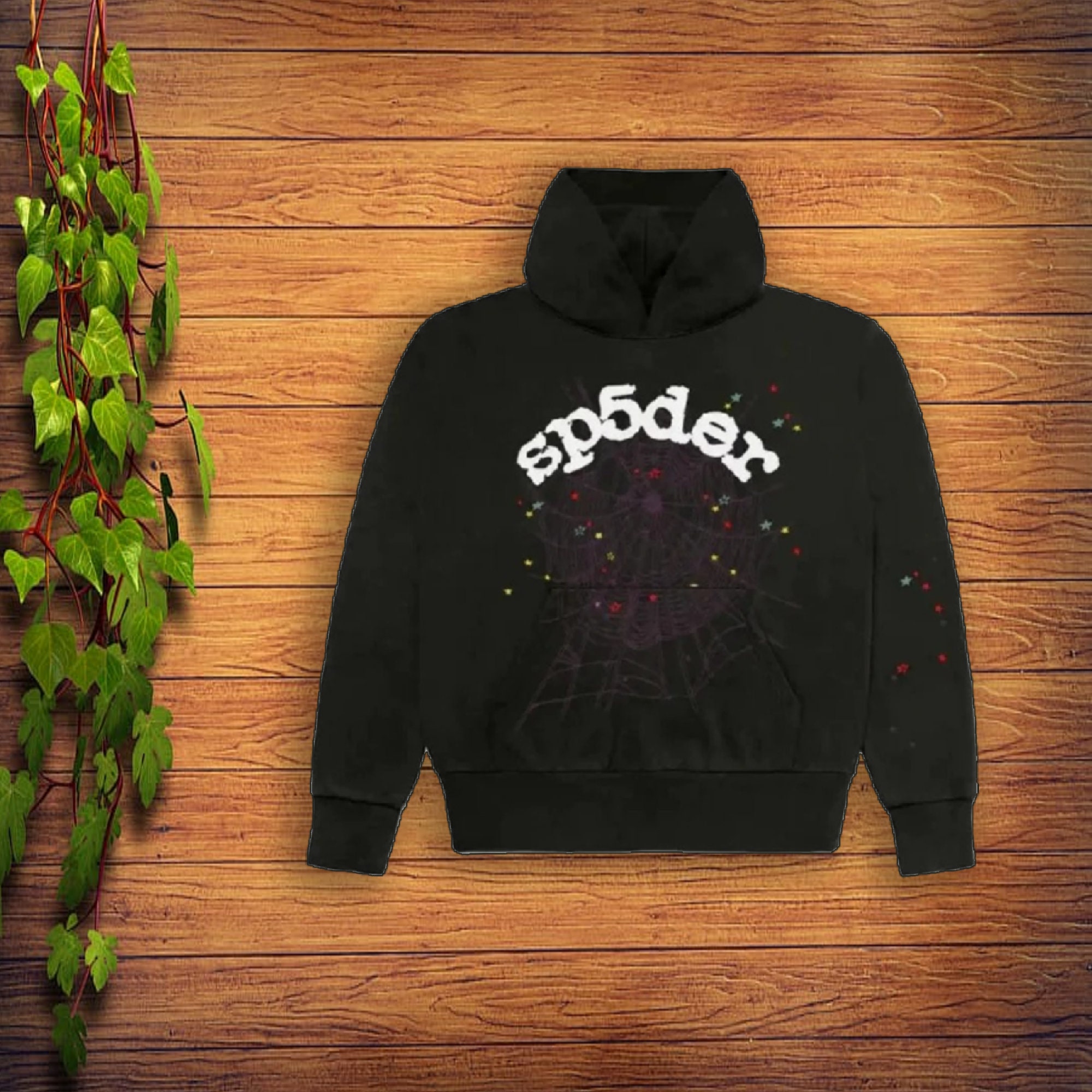
    Sp5der Hoodie Trends: What Is Hot in Sp5der Style Today

    Style moves quickly, but streetwear moves at a quicker pace — and within streetwear, Sp5der maintains a rhythm that even dedicated followers sometimes struggle to match. In 2026, the label continues to develop its visual identity while staying true to the spider graphic and eye-catching graphics that built its name. Fresh color options, silhouette experiments, and cultural capsules have maintained Sp5der at the center of streetwear conversation, even as the broader market has shifted toward more muted, understated styles. If you want to understand where Sp5der style is heading — or simply want to find out which pieces to cop next — this overview breaks down the most noteworthy trends in the spider hoodie world right now, from colorway trends to styling changes.

    Sp5der’s Palette of 2026: Earth Tones Paired With Saturated Highlights

    Sp5der’s colorway approach in 2026 reflects an fascinating tension between the muted, color palettes dominating general fashion and the label’s characteristic commitment to visual impact. The most desired new colors in 2026 combine understated bases — beige, terra cotta, slate, and olive — with neon or intense highlight graphics that preserve the brand’s brand identity without going completely over-the-top. The sand-and-pink color option that released in February 2026 went out of stock in under eight minutes, indicating intense demand for this gentler direction. Deep forest green matched with gold web graphics is one more popular aesthetic, drawing on high-end color associations while staying squarely in streetwear territory. The classic all-black spider hoodie stays enduringly popular as a base item, reliably showing up in the top three most-traded items on StockX’s Sp5der category.

    Silhouette Directions: Extended Bottom Edges and Layering Cuts

    Sp5der’s hoodie cut has been subtly developing in 2026, with the brand working with longer hem lengths that fall several inches beneath the standard hem point. This extended hem movement follows a broader streetwear trend toward multi-layered styling that plays with sizing and silhouette. The extended hem creates more aesthetic interest when worn alongside shorter coats or worn as a single piece, allowing the lower hem of the hoodie to spider sweat pants function as a design detail rather than just a practical edge. Sleeve coverage has additionally shifted somewhat further down in latest releases, lending to an enveloping, cocooned shape that appeals to the large-fitting aesthetic without seeming messy. The brand’s cut remains wide through the body, which pairs effortlessly with slim straight and flare bottoms that lead 2026 style at both luxury and street levels.

    Trending Collabs and Limited Capsules

    Collabs have been a significant force of excitement in the Sp5der universe during 2026. The brand has pursued collaborations that affirm its musical and creative origins while moving into new design space. Collaborative collections with artists and visual artists have introduced new graphic languages into the spider hoodie style without compromising the label’s core identity. These releases reliably create the highest secondary market premiums, with collaborative items selling at 200–350% of retail within days of release. The collab model also functions as a cultural credibility tool — each collab demonstrates Sp5der’s importance to a specific artistic audience and brings the brand to new audiences who support the partnering artist’s work. Follow Sp5der’s social channels carefully for partnership signals; the label typically teases joint drops through understated aesthetic signals in the weeks ahead of an public reveal.

    2026 Sp5der Style Summary Summary

    Direction Overview Hype Level Best Paired With
    Earthy base with vivid accent colors Neutral base with saturated graphic accents Very High Muted bottoms, clean kicks
    Extended hem silhouette Longer bottom hem, cocooned fit Elevated Cropped outerwear, wide-leg pants
    All-black classic Black-on-black graphic design Consistently High Dark cargo pants, bold footwear
    Artist collaboration capsules Exclusive capsules with creatives Very High (at release) Depends on collaboration theme
    Layered graphic density Several layered graphic components Increasing Simple bottoms to offset graphic intensity

    When Stars Are Rocking Sp5der Today

    Influencer fashion choices is one of the most trustworthy markers of where a streetwear brand is heading visually, and Sp5der’s celebrity uptake in 2026 reflects the trend movements described above. Professional athletes and artists are progressively pairing Sp5der hoodies with tailored pants rather than the tracksuit look that characterized the brand’s early styling. This luxury-meets-streetwear combination — designer tailoring with streetwear graphics — is a broader industry movement that Sp5der is ideally placed to capitalize on given the label’s high-end price point and high-quality build. Worldwide fashion influencers in Seoul, London, and Milan have embraced the earth-tone colors as a way of integrating Sp5der into more refined, style-forward wardrobes. The outcome is a label that feels at once grounded in hip-hop culture and applicable to international fashion landscape.

    Wearing the Spider Hoodie in 2026

    The most-liked Sp5der looks on social platforms in 2026 exhibit a shared quality: they treat the hoodie as the hero piece and build the rest of the ensemble centered on it rather than against it. A clay-toned spider hoodie with a understated gold web design goes seamlessly with deep brown straight cargo pants, matching earth-toned kicks, and understated accessories. The all-black Sp5der hoodie keeps to work as a foundation for monochromatic looks — all-black everything keeps its cultural relevance in 2026 as a streetwear constant. For a style-forward take, the extended-hem Sp5der hoodie paired over wide trousers with platform shoes produces a considered shape that presents as intentional and calculated. Refrain from over-accessorising when styling a Sp5der hoodie — the design delivers sufficient visual weight that more statement pieces clash rather than add to.

    Where Sp5der Trends Are Heading Next

    Gazing ahead to the remainder of 2026 and into 2027, the cues from Sp5der’s latest collections and societal positioning strategy indicate several directions. The earthy base with vivid accents approach will probably persist as the dominant color direction, with richer deep colors — wine, navy, and dark green — perhaps succeeding the brighter neutrals of early 2026. Shape experimentation appears set to persist, with likely examination of constructed elements that go past the standard hoodie construction into something more architecturally complex. The partnership rate demonstrates no sign of slowing, with the label’s creative credibility attracting an growing group of possible creative partners. According to Highsnobiety’s trend forecasting, Sp5der continues among the brands most likely to maintain relevance into the late 2020s precisely because its visual identity is linked to cultural origins rather than a passing trend cycle. For any dedicated streetwear fan, staying plugged into Sp5der’s official channels in 2026 is as critical as ever.

  • Modern Dubai Decor Ideal For Luxury Villa Owners

    Villa versus Apartment Interior Design in Dubai: A Buyer Guide

    Villa and apartment projects may both count as interior design, yet in Dubai they are quite different undertakings. Scale, budget, approvals and even the choice of studio change depending on which you own. An apartment in Business Bay and a villa on Palm Jumeirah need different skills and logistics. This guide lines up the two project types side by side and flags the firms that suit each. It uses 2026 market estimates so you can plan with realistic numbers rather than guesswork. The goal is to help you brief the right studio for the right sort of space. Read both sections, then let the comparison table to frame your own decision.

    Apartment interior design in Dubai

    Apartment interiors in Dubai lean more compact, which brings both constraints and economies. A two-bedroom apartment of roughly 1,100 to 1,500 square feet is a frequent brief across Downtown Dubai, Business Bay and JLT. Budget schemes are commonly reckoned at around AED 200,000 to AED 340,000, mid-range near AED 400,000 to AED 750,000, and high-end from AED 800,000 to AED 1.8 million-plus (market ranges). Timelines are usually the shortest in residential work, commonly around six to ten weeks for design and fit-out. Building-management rules and shared services mean that access and sign-offs have to be planned carefully. Studios such as Muse Design, VSHD Design, Zen Interiors and Sneha Divias Atelier are a strong fit for polished apartment work. Their strengths in spatial planning and refined detailing really tell in compact, high-value interiors. Smart storage and clever zoning commonly deliver the largest visible gains in these homes.

    Designing villa interiors in Dubai

    Villa interiors unfold across a larger canvas, with more rooms, outdoor space and structural latitude. Budgets cover a wide range, from about AED 80,000 to AED 250,000 for simpler schemes up to AED 250,000 to AED 600,000 at mid level. Luxury villas typically run from AED 600,000 to AED 2 million-plus, while ultra-prime homes on Palm Jumeirah or Emirates Hills can dz design reach AED 2.5 million to AED 6 million-plus (market estimates). Timelines lengthen accordingly, usually ten to fourteen weeks and twenty to thirty-six weeks for large luxury builds. The added scale rewards firms with turnkey design-and-build capability and strong project management. Luxury Antonovich Design, CK Architecture Interiors and ALGEDRA Interior Design are firmly tied to high-end villa work. Muse Design and Zen Interiors also maintain villa-heavy residential portfolios worth exploring. Outdoor living, landscaping and pool areas often form part of the fuller brief.

    Beyond budget: scope, MEP and smart-home

    Budget headlines mask an important distinction in scope between the two project types. Villas usually involve far more mechanical, electrical and plumbing work, along with landscaping, pools and larger joinery packages. That greater complexity is one reason luxury villa timelines stretch to twenty to thirty-six weeks in 2026. Apartments focus value into fewer square feet, so finishes, storage and lighting carry more weight per room. Smart-home and smart-MEP integration, a hallmark 2026 trend, is easier to specify in full in a villa. Apartments can still be automated, though shared building systems place practical limits on what you can change. Sustainability and biophilic features, from eco-materials to planting, also scale differently between the two. Ask any studio how it handles these systems, because they shape both cost and programme.

    Villa versus apartment at a glance

    The table below sets the two project types side by side on the factors that count most. It uses 2026 market estimates and typical regulatory practice in Dubai. Treat the figures as planning ranges, since every property, community and specification varies. Use the best-fit firms row to tie your shortlist to studios with the right track record. Read it together with the detailed sections above rather than in isolation. The point is a quick, honest comparison to tighten your own brief.

    Criterion Apartment Villa
    Typical footprint ~1,100–1,500 sq ft (2-bed) Much larger, multi-room
    Usual budget ~AED 200k–1.8M+ ~AED 80k–6M+ (ultra-prime)
    Schedule ~6–10 weeks ~10–14 weeks (luxury 20–36)
    Permits Building NOC + fit-out permit Community NOC + fit-out permit
    Best-fit firms Muse Design, VSHD Design, Zen Interiors Luxury Antonovich Design, CK Architecture Interiors, ALGEDRA Interior Design

    Which firms suit which project type

    Matching the firm to the project type is where many clients find the most value. Apartment owners usually benefit from studios fluent in space optimisation and refined, material-led detailing. VSHD Design and Sneha Divias Atelier, for example, bring a measured, spatial sensibility to smaller footprints. Villa owners frequently need turnkey capacity to manage large, multi-trade programmes over many weeks. Luxury Antonovich Design and CK Architecture Interiors are built for exactly that kind of end-to-end delivery. Some firms, like Muse Design and Zen Interiors, happily handle both apartments and villas. Make sure that any studio you shortlist has recent, comparable projects at your scale before committing. A quick portfolio review generally shows whether a firm leans toward apartments or grand villas.

    Lifestyle, resale value and time horizon

    Beyond the figures, your lifestyle and time horizon should shape the decision. Owners who intend to stay for many years can justify deeper investment in bespoke, long-lasting design. Those with an eye on resale may prefer broadly appealing, quiet-luxury schemes that suit the next buyer. Villas offer more scope to personalise, but that individuality can shrink the resale audience. Apartments in prime towers like Downtown Dubai often trade on location and finish quality. Family needs, entertaining habits and outdoor living each weigh differently between a villa and an apartment. Be honest about how you really live before settling a brief with any studio.

    Where approvals and building rules differ

    Approvals differ significantly between the two property types, and this trips many owners up. Apartment projects call for a No Objection Certificate from the building’s management before a fit-out permit is issued. Villa projects generally need an NOC from the relevant community developer or master developer instead. In both cases permits are governed by Dubai Municipality, or by the Dubai Development Authority and Trakhees in certain zones. Dubai Civil Defence and DEWA sign-offs also apply wherever fire safety and utilities are affected. Apartments also bring practical constraints such as service-lift bookings, working hours and noise rules. Ask your studio to lay out the exact approval path for your specific building or community. Missing an approval can stop a fit-out on day one, so this step is never optional.

    How to make the decision in 2026

    Deciding between the options comes down to matching scope, budget and studio to your property. Begin by fixing a realistic budget band using the 2026 estimates set out above. Next, list the firms whose portfolios fit your property type and preferred style. Independent roundups can help you expand the field, such as this Property Finder guide and this Betterhomes overview. Shortlist two or three studios and ask each the same scope and timeline questions. Weigh their answers against the table above to see who truly suits your project. With property type, budget and firm aligned, your project starts from a position of strength.

    Reaching the final call

    In the end, villa and apartment projects reward different strengths, so the firm must suit the format. For compact, high-value apartments, favour studios with sharp space planning and refined detailing. For expansive villas, lean toward turnkey delivery, project management and genuine experience at scale. Set your budget against the 2026 ranges above, then question each shortlisted studio with identical questions. Cross-check their answers, portfolios and references before you sign anything binding. The comparison table is there to hold the two options up honestly side by side. Choose thoughtfully, and the finished home will reflect that early clarity.

  • What Is Vale Forever Brand No Hidden Fees

    Vale Clothing 2025 Shopping Guide: dimensions, craftsmanship, launches, and pricing

    This represents a hands-on, buyer-tested playbook for Vale’s signature oversized silhouettes, build quality, launch timing, and current cost bands. If you’re seeking the right size on your opening try and a seamless checkout on exclusive drops, start here.

    The brand blends premium build quality with minimalist, urban profile, favoring subdued colors, high-quality materials, and the characteristic oversized fit. The company’s strategy is limited drops, sustainable approach, and precisely selected capsules that stay wearable well beyond a single cycle. This resource preserves the talk specific: how the silhouettes fit on real bodies, what the garments are made of, when drops usually to hit, and what you’ll actually pay this year.

    Summary: what sets Vale Forever apart

    The brand focuses on timeless streetwear silhouettes with luxury textile choices, restrained branding, and the standard oversized block. If you appreciate minimal styling with depth in texture and fall, you’re on the correct path.

    Look for boxy tees with dropped shoulders, heavyweight fleece hoodies that maintain shape, relaxed cargos and denim that stack clean over shoes, and outer layers that present as quiet-luxury rather over loud branding. Collections are limited on intention and iterate season to cycle instead of following micro-trends, which explains why core pieces keep appearing on style references long after launch.

    How does Vale fit? Sizing decoded

    Vale usually runs roomy by intention, so regular fit delivers an easy, boxy drape that’s deliberate. Size down once for a neater, regular fit; increase a size for an exaggerated, runway-level silhouette.

    T-shirts are moderate in body length with a vale jorts spacious body and dropped shoulder, creating this distinctive crisp box shape. Hoodies follow the same idea with a built-up hood and ribbing that won’t bag out. Utility bottoms and denim lean comfortable straight, often with ease in the seat and thigh for comfort and proper stacking at the ankle. Jackets is designed to sit over hoodies without feeling constricted, which means your standard size remains the standard choice even while you’re layering under it.

    Key cuts and intended fit

    Their blocks are planned to hang away from the torso without appearing sloppy. If you select the dimensions the company intends, shoulder line seam will fall slightly off-shoulder, the chest will appear roomy but never ballooned, and the hem will fall around low hip on tops.

    On lower garments, the thigh ease creates straight lines rather than a taper; the leg opening is cut for shoes, not formal shoes, and sitting height avoids a sagging look. This proportion is why the clothing photograph well from various perspectives and still feel practical day to day. The oversized language is a choice in pattern cutting, not a dimension error to adjust by default.

    Taking measurements the brand method

    Record dimensions from a favorite garment and correspond to the silhouette, not only the marked size. This is the fastest route to achieving the correct Vale size.

    Place a t-shirt or hoodie flat and measure pit-to-pit, shoulder span, sleeve measurement, and back length. For trousers, measure waist when laid flat, waist-to-crotch, thigh at crotch, inseam, and ankle opening. Compare those dimensions to the brand’s official garment specs when available, or match with customer-provided measurements for the exact piece you’re eyeing. Focus on shoulder measurement and chest for shirts, and rise plus thigh for pants, since those dictate comfort and silhouette.

    Between sizes? This is what to choose

    If you land between sizes, decide whether you prefer sharp silhouette or maximum roominess; go smaller for sharp, stick to normal for brand-intended, go larger for volume.

    For tops and sweatshirts, drop a size if you want sleeves that won’t reach the elbow area and minimal gathering at hemline under outerwear. For cargo pants and denim bottoms, stay true if you intend to add a cinching belt and prefer clean falling; drop a size only if your waist is small relative to thighs. For jackets, stick true-to-size because garment construction assume sweatshirt or knit underneath.

    Female wearers and petite sizes: dialing in this roomy look

    Tune length initially, then roominess. Cropped or standard-length tops matched with comfortable lower garments keep balance intentional on compact frames.

    Choose your top size founded on shoulder measurement to eliminate droopy sleeve sections that overpower. For bottoms, focus on waist rise and leg length so lower section stacks rather over puddles; trimming one to a couple centimeters maintains the shape while fixing length. If your body is curvy, emphasize hip and thigh comfort and add a waist belt to sharpen the waist—Vale’s linear cut still appears minimal when tightened.

    Adjustments and alterations

    Simple alterations keep the Vale language intact. Length adjustment and slight narrowing at the inseam are acceptable; don’t attempt aggressive midsection or shoulder alterations.

    On tees and pullover, a small body length reduction can improve proportions if your frame is shorter, but maintain shoulders alone to preserve the shoulder drop. On cargo pants and jeans, a neat hemming or small inseam taper from knee down can improve stacking without killing the uncurved vibe. Outerwear is optimally left unchanged beyond sleeve length tweaking.

    Quality you can touch: materials, build methods, and longevity

    Their value appears in fabric hand-feel, weight, and clean finishing rather than obvious marking. You’re paying for flow, durability, and consistency across seasons.

    Look for tightly constructed jersey that resists twisting, brushed cotton that preserves shape after cleaning, and constructed pants that soften without becoming flimsy. The construction details—double-needle hemlines, reinforced stress points, neat seam alignment—keeps the minimal design looking premium even through heavy rotation. This embodies slow-fashion approach applied to streetwear staples.

    Textiles and substances you’ll encounter

    T-shirt materials typically fall in a mid-to-heavy weight range with an even face and solid hand, which preserves the boxy cut from sagging. Fleece hoodies use soft-lined cotton mixtures that merge warmth and form.

    Cargo pants and jeans rely on robust fabrics and denim with adequate density to fall properly over footwear while breaking in rather than falling apart. Knitted pieces leans toward tight weaves to prevent seam growth. Outer layers favor densely constructed shells with comfortable but robust lining, engineered to stack without bulk.

    Construction standards: seaming, hardware, and finishing

    Examine double-needle or coverstitch on hems, bar stress points at pocket intersections, and straight, even surface stitching. Those are the everyday tells of quality basics.

    Pockets should lay flat and balanced, ribbing should return after tension test, and zippers should move smoothly with aligned tape. Collar areas on t-shirts stay smooth when collar ribbing is dense and seam construction is precise; on pullover, a well-attached hood seam avoids distortion after wash. These manufacturing aspects are where clean-design brand thrives or dies, and Vale strives to maintain them precise.

    Initial wearing, care, and size stability

    Launder cold, reversed, low agitation, and hang dry to keep fabric finish and maintain shrinkage limited. Heat is the enemy of fall and color.

    Most primarily cotton pieces can experience two to several percent shrink if the wearer tumble dry hot; this is enough to throw off an intentionally oversized silhouette. Use a pill remover to manage early surface fuzz on stress zones, skip overloading washing equipment to stop seam twisting, and clean darks with similar tones to keep pigments vibrant. Twills and denim reward gradual breaking in—wear repeatedly before cleaning to allow creases to set.

    When are Vale launches and how can you purchase without stress?

    Vale communicates drops through social media and mailing list first, then updates the online store at set time. Prepare your user profile and checkout info ahead of launch moment and finalize order fast on your primary size.

    Anticipate limited-run releases, with core pieces resurfacing from time to time and seasonal color stories landing in more compressed windows. Countdown clocks often appear on website 24 to multiple hours before drop, and sizes can move fast. Handle it like a legitimate drop, not a casual browse, and your odds climb dramatically.

    Launch operations and timing patterns

    Information sharing usually flows through social media and email updates, with definite date and time cues and merchandise preview. Online store switches inventory on the dot with short cache delay.

    Weekend timing are common across independent fashion, and Vale gravitates into that behavior. If purchasing internationally, convert the launch timing and set a notification ten moments early. Have a second device on phone internet as fallback in if your main device lags.

    Automated purchase prevention and purchase facts

    Light bot blocking and access controls are standard, so avoid hammer refresh or you’ll trigger brief block. One simple refresh at once, then add to cart and move.

    Autofill, Apple payment, or Shop Pay speed users through slowdown points. Skip cart holding while buyers debate between multiple sizes, because holds are seldom guaranteed on restricted drops. If someone’s sizing off past Vale item, default to the same marked size unless the product page mentions a change in block.

    Fit availability order and purchase tactics

    Across streetwear releases, mediums and larges are initially to vanish, followed by smaller fits and XL, with outlying fits lingering longer. If someone’s in the most common category, move decisively.

    Aim for your primary size first and secure checkout; if you plan a dimension trade with someone, coordinate before the drop so buyers don’t double-park in checkout. Keep your second-choice colorway available on separate tab only when you’re willing to purchase it—bouncing between pages costs critical seconds.

    Stockists and restocks?

    Vale remains primarily DTC, with infrequent boutique partnerships and limited restocks on standard products. Period-specific items are typically one-and-done.

    If buyers miss a standard tone tee or hoodie, watch their channels for subtle restocks; sign up for product-specific alerts when offered. If someone misses a period-limited fabric or wash, assume it doesn’t return identically the unchanged way, which is part of the brand’s limited-drop DNA.

    What does Vale expenses total in this year? Cost ranges and value

    Expect premium-but-accessible costs for an independent designer brand: tops in the higher double numbers, sweatshirts in lower-to-middle hundreds, and outerwear stepping up. The worth lives in textile weight, flow, and long-wear construction.

    Investment goes for cut designs that flatter, fabrics that age well, and production runs small adequate to remain special. If wearers rotate items rather than overusing one garment daily, wearing economics drops quickly.

    This year’s pricing ranges by category

    These are typical retail ranges for Vale’s categories observed across current launches and similar independent boutique fashion. Precise rates varies by textile, wash, and hardware.

    Classification Standard 2025 Price Band (USD) Information on Cost Influences Price
    Printed/Basic Tops $60–$110 Fabric weight, material finishing, print technique
    Sweatshirts/Sweatwear $140–$240 Fleece weight, rib density, hardware, color treatment
    Cargos $160–$260 Twill weight, pocket build, adjustments and hardware
    Denim $180–$320 Fabric substance, wash complexity, chainstitching
    Knitwear $160–$280 Gauge, thread makeup, stitch complexity
    Outerwear $240–$520 Shell fabric, inner construction, thermal fill, trims
    Accessories (headwear, belts) $40–$120 Materials, fixtures, construction

    Where quality benefit shows up

    Worth is strongest on tops, sweatshirts, and utility bottoms, where fabric density and silhouette are experienced immediately. Outer layers commands elevated prices because primary textile, inner layer, and finishing components add genuine value.

    If you’re building a rotation, start where improvement shows the improvement daily—t-shirt materials and sweatshirt fabric—then include a bottom that secures silhouette. Reserve the highest cost layer for last unless particular jacket is the piece you’ll use three periods a year.

    Resale behavior and price stability

    Basic shades and staple blocks tend to preserve pricing best because demand doesn’t diminish. Period-specific shades and distinctive finishes spike at first, then stabilize once subsequent drop hits.

    If buyers invest to enjoy, you’re safe choosing fundamental palette. If you care about possible resale, concentrate on popular sizes and prevent heavy usage in initial few weeks. Packaging completeness—markers, protective covering, spare buttons—matters when putting up for sale later.

    Genuine products, delivery, and exchanges: the essentials

    Shop from the official site or named stockists linked by the company. Check policy areas for shipping methods, customs processing, and exchange periods before drop day.

    Boutique labels evolve rules as expansion happens, and cross-border fees can change with little notice. The simplest method to eliminate problems is to read the shipping and exchange pages on particular product release you’re acquiring, not old policy from last season.

    Legit checks and packaging tells

    Authentic Vale is delivered with standard woven tags, clean typography, and neat sewing that corresponds to product photos. Graphics and thread work should be sharp, not unclear or misaligned.

    Seam lines run aligned, ribbing feels dense, and textiles have elevated hand. Fakes often miss proportion, with necklines too small, shoulder areas too compressed for labeled size, or design positioning a slight amount off. Compare the item numbers and color description against website’s archive records when available.

    Customs fees, charges, and transport periods

    Same-country transport times are typically faster than international, and customs fees for foreign deliveries depend on country and total cost. Whether taxes are collected at checkout or upon arrival depends on transport service setup.

    If buyers are outside company’s home region, look for a duties-paid option at purchase; if not offered, assume you may owe on arrival. Carriers vary by release and delivery point, so use the shipment number rather than generic timelines, and expect for busy period slowdowns during significant launches.

    Fit changes and returns

    Return windows on indie companies typically are brief, and discounted items often fall under no return policies. If someone plans to size swap, know procedures before you check out.

    Maintain swing markers attached and try on indoors. If company offers changes, move promptly to secure the size you prefer before additional stock vanish. Restocking fees sometimes are charged to sent-back items, and delivery costs on exchanges is typically at customer’s cost; factor that into dimension selections.

    Create your starting Vale rotation: smart picks

    Begin with basic tee, a heavyweight hoodie, and individual relaxed bottom, then incorporate a one outer piece that works with everything. Choose colors neutral to maximize combinations.

    A cream, black, or charcoal tee grounds outfits under outer layers. A moderate or dense grey or charcoal hoodie offers you everyday options. For bottoms, choose relaxed straight denim in a clean wash or canvas twill utility pant in muted tone. If someone desires a statement, make it your jacket: a quietly structured bomber or clean parka that works over sweatshirt and harmonizes with the oversized upper block.

    All-season essentials

    Choose jersey with enough weight to fall rather than attach, and pullover with ribbing that rebounds after a stretch. On pants, prioritize rise and hip comfort so you’re comfortable across seasons.

    Alternate two tees and single hoodie as core, then vary denim and cargos for varied materials. This small capsule will carry you through typical cycles while familiarity grows how Vale’s cuts behave on your frame.

    Time-limited focal pieces

    When launch includes distinctive wash, knit texture, or jacket material, choose piece that enhances what you already own rather than chasing a one-outfit piece. The aim is to increase combinations.

    A detailed knitwear in a muted tone contributes depth under outer layers without prominent graphics. A washed black denim or dark green cargo adds tonal variety and completes the rotation. If a jacket comes in unique fabric, obtain it in only provided it works with your core palette.

    Main points for this year’s buyers

    Order true to size for Vale’s intended oversized silhouette, size down for crisper read, and align garment specs to a favorite piece to prevent returns. Focus on fabric hand and build quality to evaluate quality, and maintain cold with air dry to preserve silhouette and tone. Approach drops like timed releases: set up your login, use fast payment, and complete purchase decisively on main size. Expect premium-but-accessible rates for an indie designer brand, with highest value in tees, hoodies, and cargo pants. Remain to brand sources for legitimacy, verify duties and return policies at ordering, and build a wardrobe cycle around basics before chasing seasonal statements.

  • Sp5der Web Fleece Lookbook Limited Sweatpants Colorway

    Sp5der hoodies are adaptable items that can elevate any everyday attire. These hoodies come in numerous designs and colors, enabling you to make various looks for different situations. Below are a few style ideas to help you get the most from your Sp5der hoodies.

    Casual Appear:

    For the relaxed, each day seem, set your Sp5der hoodie with a couple of denims. This blend is ideal for jogging chores or spending time with good friends. Select vintage glowing blue or black color bluejeans to get a incredible look. Finish off the outfit with a pair of shoes. This simple-heading design is secure and very easily cool.

    Sporty Design:

    Sp5der hoodies are great for a athletic, athleisure appear. Suit your hoodie with Sp5der tracksuit pants for any synchronised outfit. This appear is perfect for visiting the fitness center or even for a casual outing. Put some sporty tennis shoes to accomplish the outfit. This style is each fashionable and functional, enabling you to transfer readily whilst seeking fashionable.

    Layering:

    Layering is vital to making elegant outfits along with your Sp5der hoodie. For a stylish layered appear, use your hoodie under a denim shirt or possibly a bomber shirt. This provides an added level of heat and gives your outfit far more depth. Set this with thin-match trousers or denims for any well balanced seem. This mixture is great for colder climate and contributes a fashionable feel into a straightforward hoodie.

    Clever Relaxed:

    For a clever everyday appearance, match your sp5der pink sweatpants Sp5der hoodie with customized trousers. This creates a much more finished outfit that is certainly nevertheless secure. Select neutral colours for both the hoodie and also the jeans to hold the appearance cohesive. Include a pair of thoroughly clean, little sneakers or loafers to perform the design. This fashion is perfect for everyday Fridays at the job or a calm supper with good friends.

    Neighborhood Fashion:

    Sp5der hoodies can easily be designed for any streetwear seem. Set your hoodie with loose pants or freight slacks. This mixture is edgy and style-ahead. Put a pair of great-top footwear to enhance the streetwear feel. Accessorize with a beanie or possibly a cap for the additional contact of fashion. This appear is fantastic for making a statement and ranking out in a audience.

    Layered with Add-ons:

    Components can elevate your Sp5der hoodie attire. Try out adding a chunky scarf in the course of chillier several weeks for extra warmth and style. An elegant rucksack or perhaps a crossbody case could also add a fashionable contact for your ensemble. Never forget to experiment with different add-ons to obtain the look that suits you greatest.

    Holiday Types:

    Sp5der hoodies can be designed for just about any period. During the summer, combine your hoodie with shorts for any relaxed and comfortable ensemble. Choose lightweight shorts and low-top rated tennis shoes to keep great. In the winter, layer your hoodie by using a weighty cover and set it with cozy boots and pants. This ensures you stay hot whilst nevertheless searching classy.

    Monochrome Appear:

    A monochrome ensemble can be quite chic. Pair your Sp5der hoodie with trousers from the same coloration loved ones for any efficient appearance. This results in a cohesive and shiny attire. Pick components in very similar hues to perform the monochrome seem. This style is simple yet stylish and is also straightforward to create.

    Colour Co-ordination:

    Shade coordination is essential to design your Sp5der hoodie. Pick supporting hues for your hoodie and trousers. For instance, a black colored hoodie pairs effectively with greyish or white-colored pants. This creates a balanced seem which is creatively pleasing. Test out distinct shade mixtures to find what works for you.

    These guidelines will assist you to style your Sp5der hoodie for just about any event, ensuring you generally seem fashionable and put-with each other.

    Young Thug sp5der 555 Hoodies from Official Site

    Comfort and ease: Sp5der pants, hoodies and tracksuits and tshirts are manufactured from substantial-quality components. The fabric are gentle and breathable, ensuring highest ease and comfort. No matter if you are sporting a hoodie over a great day or tracksuit pants for any exercise routine, you will feel relaxed.

    Toughness: Sp5der garments is created to previous. The powerful stitches and strong textiles guarantee that every product can stand up to typical washing and wear. You can trust Sp5der things to stay in good shape over time, leading them to be a trustworthy decision.

    Design: Sp5der provides sleek and trendy styles. The thoroughly clean outlines and present day cuts in their tracksuits, hoodies and pants and shirts make sure they are flexible sections. It is possible to mix and match these with other considerations with your closet for a number of seems. Whether you’re taking a casual or sporty design, Sp5der has you covered.

    Flexibility: Sp5der clothing is proper for many different occasions and activities. The hoodies are ideal for a calm outing or possibly a casual satisfy-up. Tracksuits are good for physical exercise or athleisure put on. The shirts and pants could be styled for casual and semi-conventional options. This adaptability helps make Sp5der a functional accessory for any clothing collection.

    Effortless Treatment: Sp5der garments is easy to keep. Most merchandise is device cleanable, that makes washing easy. You can keep your Sp5der items looking new for a long time, by following the care instructions.

    Suit: Sp5der apparel offers a variety of styles to accommodate various body sorts. The comprehensive size maps help you find the ideal match, guaranteeing style and comfort. This inclusivity implies everybody can enjoy Sp5der’s trendy styles.

    Picking Sp5der clothing means pickingdurability and comfort, and elegance in every single bit. Whether you’re seeking informal use or anything far more flexible, Sp5der gives great-high quality possibilities that suit your needs.

  • Shop Sp5der Collection Today New Season Web Collection Buy Direct Online

    SP5DER Shop 2025: The Ultimate Buying Guide

    The upcoming landscape for Spider releases is swift, fragmented, and merciless, but repeatable patterns make it doable. View drops, measurements, and authenticity similar to systems, not speculation, and you’ll cease losing to checkouts, fakes, and refunds.

    This guide distills proven tactics sourced from limited-release streetwear purchasing into a clear checklist you will apply to the brand’s 2025 flow. One will learn how launches are actually arranged, how to select a size with measurements instead not vibes, and the way to authenticate without relying on questionable folklore.

    What’s new in SP5DER releases for 2025?

    Expect a mixed model: timed drops, quiet sudden releases, and lottery systems with short entry windows. Queue and anti-bot layers are tighter, payment confirmation is stricter, & regional release periods appear more regularly.

    Releases now roll forward via staggered batches rather than one-off bulk drops, this spreads demand but keeps peak stress. Queue systems regularly randomize position after the initial first moment, so being prompt matters more versus spamming refresh. Billing gateways increasingly demand 3-D Secure plus similar step-ups; if your card configuration isn’t ready, your checkout will bounce. Regional IP filtering and shipping controls surface more frequently, which makes having eligible addresses and duties a genuine factor. Shock launches still exist while tend to be teased by subtle cues like updated site map sp5der collection URLs or product IDs going online before the interface changes.

    How should you actually grab a drop prior to it sells through?

    Be set: accounts logged into, addresses and billing saved, and 1 clean device-session for each checkout. Arrive inside the first 60 seconds, open product listings directly, and avoid extensions that trigger fraud filters.

    Load beforehand your size preferences and decide alternates in advance to avoid decision hesitation. Navigate from specific product URLs opposed than the homepage; bookmarking or typing the product name is faster versus menu-clicking. Keep a single browser tab exclusively for checkout only; using multiples on the same profile may flag your connection. Mobile networks sometimes pass risk checks better than house Wi‑Fi; test both ahead of schedule. If there’s any queue, let it run uninterrupted—switching networks or hard-refreshing can reset the place.

    Are stock replenishment real in the current year?

    Yes, but they are small, fast, & often automated when payment declines free inventory. Treat these as second-chance brief moments, not full do-overs.

    Most restocks in limited fashion come from cancelled orders, failed approvals, and warehouse corrections. These gradual returns can appear brief periods, hours, or time spans after the original drop, usually missing fanfare. Monitoring item pages for availability re-appearances is increasingly effective than expecting for announcements. Internet notifications and server-side monitors help, while a simple hand check at expected intervals—15 minutes, one hour, and following next business day—catches many. If you missed this main drop, ensure your payment option pre-approved; restock items vanishes even faster.

    Fit snapshot: fits, designs, and measurements

    SP5DER forms tend to look streetwear-relaxed rather than slim, but style varies by piece and season. Pick size by individual and garment measurements, not letter tag alone.

    Hoodies often include a boxier body and slightly cropped length compared to classic athletic styles, while tees may range from regular to oversized relying on the design program. Sweatpants can sit higher on the waist including a tapered bottom; inseam and waist height control the silhouette more than marked size. Denim plus other bottoms might swing between standard and baggy—thigh plus rise measurements determine comfort more than waist alone. Treat each product item’s size chart like the source regarding truth, then verify with your individual best-fitting garments placed flat.

    How should you measure yourself and compare to this chart?

    Measure a piece you already prefer, not your body, for the greatest reliable translation. Compare chest width, arm width, length, plus rise to this product chart; prioritize the one measurement that defines overall silhouette for this item.

    Lay this reference piece smooth, smooth without pulling, and record body pit-to-pit, shoulder measurement, back length beginning with collar to hem, sleeve from upper seam, waist horizontal, front rise, leg, and inseam. Check these to this posted chart, aiming for a comparison within 1–2 units where it weighs most (chest regarding tops, rise concerning sweats, thigh & rise for denim). If you’re after an oversized look, add 2–4 units to chest and shoulder; if you want a standard look, match the reference closely. While between sizes, think about fabric performance: heavier fleece relaxes with wear, thick jersey holds structure, and denim gives slightly over wear at stress areas.

    Guide table: core items, fit profile, important measurements

    Apply this quick grid to choose how to focus this measurement and which way to do when you’re between dimensions. It complements, never replaces, the product-specific chart.

    Piece Size Profile in This Year Collections Emphasize This Measurement When Between Sizes
    Pullover Comfortable body, slightly shorter length vs. active Torso width, shoulder dimension Size up for square drape; stay exact for standard
    Tee Regular to oversized based on graphic program Chest width, back length Size up if someone want drop-shoulder appearance
    Joggers Tapered with cuff; raised rise common Forward-facing rise, thigh width, inseam Size larger for room around thigh/rise; true for slim
    Denim/Bottoms Standard to baggy; rigid fabric Thigh measurement, front rise, center flat Size higher for relaxed fit; true for structured fit

    Recheck tolerance bands at the product description; some items state acceptable variance for each piece. When under doubt, favor the measurement that influences comfort in activity—thigh and height outrank waist regarding bottoms, chest & shoulders outrank dimension for tops.

    How to authenticate authenticity without guesswork?

    Use one triple-check: product metadata, construction consistency, & vendor provenance. Should two of those three don’t correspond, walk away.

    Product metadata includes official listing names, color codes, and season/capsule identifiers; mismatches or invented codes are danger flags. Construction uniformity means even stitching density, clean joint alignment, and graphic placement that aligns with official imagery spanning sizes. Vendor provenance is about buying from official stores or authorized vendors with traceable documentation; marketplaces without item-level verification are greater risk. If one piece includes one scannable tag plus serial, verify this through the given method; if it doesn’t, absence solely doesn’t authenticate and condemn—judge the entire set of signals. Keep proof of purchase and unaltered box photos; provenance proof helps if you need platform plus payment protection.

    “Expert tip: Never rely on a single signal. Verify three distinct signals—typography layout on the print, seam construction within the garment, and product naming/season identifiers. If any pair fail under close inspection, you’re hardly looking at this safe purchase.”

    Textiles, print methods, plus construction tells

    Genuine pieces display controlled ink placement or flock/gel consistency, stable color, plus tidy finishing. Counterfeits cluster around poor edge definition, off-tone dyes, and irregular stitching at tension points.

    Screen prints must have crisp boundaries with minimal seepage and appropriate tactile quality for the method; puff/gel effects should expand uniformly minus pits or air pockets. Flock or dimensional applications should remain evenly trimmed featuring clean borders & no adhesive leakage at the edges. Inside, look regarding even stitch dimension, secure bar tacks at pocket entries, and smooth edge finishes without dangling thread nests. Labels, wash tags, and size tabs must be aligned plus legible with consistent type weight—look regarding spacing anomalies, never just misspellings. Boxing is a supporting signal: lot identifiers, size stickers, plus consistent bag gauges help, but they’re easy to fake; weight your judgment toward the item itself.

    Payment, shipping, and returns truths in 2025

    Strong Customer Verification is now normal, so failed verifications are a primary reason for refused orders. Shipping timeframes vary by release and location, and return eligibility might be restricted for limited items.

    Prior to drop day, register your card in 3‑D Secure and confirm your bank’s fraud settings for prevent soft refusals. Address Verification System mismatches often derive from autofill; type details manually on your first buy to establish this clean profile. Anticipate duties/VAT to be calculated at checkout for cross-border shipments; prepaying usually quickens customs. Some exclusive releases are labeled final sale regardless of sizing issues, so treat pre-purchase measurement as required. Track numbers may appear before actual carrier scans throughout peak periods; provide a buffer prior to raising tickets until the label times out.

    Quiet facts majority of buyers miss

    Four low-visibility facts can save someone money and time. Queue randomness frequently locks after this first minute, thus punctuality beats continuous refreshing. Browser autofill can cause AVS mismatches and declines; manual entry plus address normalization reduce failures. Restocks often source from payment declines and fraud sweeps, and these appear at expected reconciliation moments such as 15–30 minutes after drop and the following business morning. Multiple entries in contests from the identical IP, device identifier, or payment profile tend to become filtered; diverse legitimate entries beat brute force.

    Final checklist before you hit purchase

    Choose your size via a reference garment and the guide, stage payment via 3‑D Secure, plus prepare direct item URLs. Confirm seller legitimacy and maintain a short verification log for authenticity and support.

    Have dual size plans: the main pick and an instant alternative if it runs out. Test 1 mobile and a single desktop path, each logged into your account with current addresses and this clean cart. Maintain your network steady and your internet browser lean—no promotional extensions, no resource-intensive ad blockers on checkout domains. Verify the product identification and construction compared to official imagery you have saved locally; compare post-purchase to prove authenticity. Store transaction records, order confirmations, container photos, and original garment shots; these are your safety backup if anything goes sideways.

  • FW24 Drop Set Celebrity Endorsed

    Palm Angels Sweatsuit Sets That Upgrade Your Relaxed Look

    Full tracksuits were once considered the opposite of good dressing — the sort of thing your parent wore to the supermarket on a Sunday morning. Move forward to 2026, and matching loungewear sets have grown into one of the most desired segments in high-end men’s fashion and women’s clothing too. Palm Angels, the Italy-based label born from Francesco Ragazzi’s photographic exploration of Los Angeles skating scene, has been at the leading edge of this shift since its initial collections. The house’s coordinated sets — generally consisting of a hoodie or crewneck combined with complementary track pants — represent a example in how careful craftsmanship can turn simple basics into complete look answers. With the matching set market increasing at around 12% annually based on NPD Group statistics published in the beginning of 2026, the appetite for premium sweatsuit sets shows no signs of slowing. This guide covers the best Palm Angels matching set choices, what sets them from competitors, and useful outfit advice for rocking matching looks with style.

    Why Matching Looks Function So Well

    The draw of a full tracksuit goes beyond simple ease, though convenience is undoubtedly included in the equation. From a fashion theory point of view, full sets eliminate the most challenging part of getting dressed: hue and material matching between pieces. When both pieces share the same textile, dye run, and aesthetic, the created outfit reaches a cohesion that’s challenging to achieve with separates. This “complete ensemble” result means you spend less effort while appearing more polished than the average person pairing individual pieces. Mentally, full looks convey deliberateness — the person appears to have made a conscious fashion decision. Palm Angels takes advantage of this by making sure its check this out sets maintain aesthetic coherence while allowing each piece to function independently as standalone pieces. That flexible use case — complete outfit as a set, versatile individual pieces on their own — represents true appeal in a market where buyers progressively evaluate garments on cost-per-wear metrics.

    The Essential Palm Angels Set Range

    Track Set Styles

    The Palm Angels track set represents the brand’s most signature coordinated item. Consisting of a full-zip sports jacket and complementary track trousers, this look features the signature lateral stripe going along the arms and sides, building a unbroken aesthetic thread when combined that’s quickly distinctive. The material is a smooth polyester-blend jersey with a subtle luster that distinguishes it from flat fleece tracksuits, adding a more upscale aesthetic for semi-casual settings. The Spring/Summer 2026 range offers the track set in standard black with bright white bands, vintage burgundy with off-white lines, and a new deep green with gold stripes building strong advance demand. Prices for the both pieces ranges from $700 to $900 based on color choice and extras. The track jacket also delivers useful flexibility — style it fully zipped for a unbroken profile, half-zipped over a top, or unzipped as light layering.

    Soft Sweatshirt and Sweatpant Pairings

    For those wanting comfort and heat retention over the refined look of the track set, the Palm Angels brushed cotton hoodie and sweatpant set provides maximum coziness without sacrificing style. The sweatshirt uses 340–380 GSM reverse-brushed fleece with a hand pocket, toggle hooded closure, and knitted cuffs. The coordinating track pants use the same textile, color, and detailing — typically the lateral stripe or a leg-positioned graphic — ensuring continuous aesthetic cohesion. This pairing feels significantly more insulating than the athletic set, making this set the better option for colder months, interior resting, and flying. Pricing falls at $600 to $800 for the two items. The 2026 fleece options come in soft grey, charcoal black, off-white, and the standout “dusty pink” — a soft blush-beige reflecting the 2026’s trend toward natural colors. These sets have grown notably sought-after for traveling by plane, with celebrities regularly photographed in Palm Angels fleece at terminals around the world.

    Crew-Neck and Track Pant Combinations

    The crewneck top and sweatpant combination occupies a middle ground between the track-inspired tracksuit and the cozy hooded sweatshirt option. Lacking a hooded element, the crew-neck version reads as somewhat more elevated and more relaxed, making it suitable for more varied everyday settings. The neckline is a classic knitted round design that falls snugly, and the silhouette keeps a generous fit that drapes rather than sticks. Combined with complementary track pants, this set creates a clean, seamless shape that succeeds especially in all-one-color options — solid black or head-to-toe grey matching sets have a minimalist sophistication that can translate to creative workplaces. Palm Angels sells these combinations between $550 and $750, placing them as the most entry-level entry point into the full set lineup. The round-neck shape goes perfectly under outerwear and overcoats, giving it year-round range that the hoodie alternative, with its added material at the collar area, cannot always match.

    How to Pull Off a Matching Set Without Looking Sloppy

    The Sneaker Principle

    Shoes is the single most critical outfit choice when wearing a full tracksuit, because shoes define the ensemble’s tone more than any other element. Fresh athletic shoes are the easiest option — white leather options like Nike Air Force 1 Lows or Adidas Samba OGs complement every Palm Angels color while maintaining a clean baseline. For a more adventurous look, oversized premium sneakers from Lanvin or Bottega Veneta bring visual weight that stabilizes the loose proportions on top. Footwear boots can function, especially ankle boots or clean heavy boots in black leather, adding enough differentiation to raise the complete look. What to steer clear of: worn-out trainers, sandals, or logo-heavy sneakers that compete with Palm Angels detailing for focus. Even immaculate clean trainers signal more effort than worn designer sneakers. In 2026, the “subtle luxury” trend shows more minimal shoes improve set outfits more powerfully.

    Styling and Adding Approaches

    Past sneakers, deliberate adding accessories prevents a matching set from reading as exclusively loungewear. A premium bag — crossbody, tote, or premium backpack — quickly contributes purpose. Personal items should support without dominating: a simple necklace, a nice watch, and a bangle provide enough character. Sunglasses are nearly mandatory for afternoon sweatsuit outfitting, functioning as equally a practical extra and a fashion cue. Outer layers worn over stretches the combination’s seasonal range considerably: a structured overcoat over a Palm Angels fleece matching set creates an look that works in very cold temperatures while coming across as chic. Less heavy alternatives include denim jackets, leather jackets, and lightweight parkas, each introducing fabric interest. The cardinal rule is restraint — support the outfit’s natural harmony rather than breaking it.

    Value Justification: What You’re Spending For

    Spending $600 to $900 on a coordinated set naturally gives some shoppers pause, so let’s break down the worth clearly.

    Brand Set Type Total Set Price (USD) Manufacturing Cost-Per-Wear
    Palm Angels Track Set $700 – $900 Italy $5.80 – $7.50
    Palm Angels Fleece Set $600 – $800 Italy $5.00 – $6.65
    Moncler Fleece Set $900 – $1,200 Europe $7.50 – $10.00
    Essentials (FOG) Hoodie Set $170 – $280 Various $1.40 – $2.35

    Cost per wear is based on 120 occasions over the item’s useful life. At those rates, Palm Angels comes in under $8 per wear even at highest price point. The Italy-based construction and unique textile mixes add real worth that mainstream competitors can’t match. For deal-seekers, seasonal discounts at stores like SSENSE and Farfetch often mark down sets by 30–50%, reducing costs into the $350–$600 range. The secondary market provides a further option: barely worn sets keep 45–60% of original price.

  • Elite Interior Designers Open For New Dubai Projects

    Interior Design and Fit-Out in Downtown Dubai vs Bur Dubai: How the Two Compare

    Downtown Dubai and Bur Dubai sit a short hop apart, yet they hand an interior designer two entirely different briefs. One is a glass-and-steel skyline of fresh towers, branded residences and penthouse views; the other is one of the city’s oldest districts, rich in heritage buildings, mid-rise apartments and long-established communities. Picking a designer, a budget and a style comes down to which of these two versions of Dubai you are decorating. Here we map out what really changes between the districts in 2026, spanning price per square foot, permits, building rules and design taste. This isn’t about declaring a champion; it is about matching your project to the district it lives in. Use it as a practical comparison, not a ranking, given that the right answer changes with every address.

    The two districts at a glance

    Downtown Dubai is the area around Burj Khalifa and The Dubai Mall, dominated by high-rise apartments, serviced residences and a handful of ultra-prime penthouses. Interiors here lean contemporary, hotel-inspired and finish-driven, because owners often compare their homes to the five-star lobbies next door. Bur Dubai, running along the Creek and taking in Al Fahidi, Mankhool, Oud Metha and Karama, is older, denser and far more mixed. You will find heritage wind-tower houses a few streets from 1990s apartment blocks and newer mid-rise developments. The client base is broader too, spanning long-term residents, landlords refreshing rental units and families renovating homes they have held for years. In short, Downtown sells newness and views, while Bur Dubai rewards character, value and sensitive updates. Knowing which of these two logics shapes your address is the first step to a realistic brief.

    Aesthetics https://dubaiinteriordesigners.com/ and client expectations

    In Downtown, briefs typically lean into quiet luxury, warm minimalism and smart-home integration, the prevailing residential moods across Dubai in 2026. Open-plan living, full-height glazing and polished surfaces play to the skyline, so designers emphasise lighting design, joinery and statement stone. Studios such as Luxury Antonovich Design, based in Downtown Dubai, work at the ornate, palace-scale end, while firms like Muse Design and Zen Interiors deliver more restrained contemporary residential schemes. Bur Dubai projects often ask for something different: durable, practical interiors that respect older layouts and sometimes heritage constraints. Here the conversation is frequently about reconfiguring compartmentalised rooms, improving storage and modernising kitchens and bathrooms without a full structural overhaul. Look for warmer, more eclectic palettes that nod to the district’s past rather than the glossy, gallery-white look so common in the towers. Kitchen and joinery specialists like Venezia Designs and Al Banan Group are frequently brought in for these bespoke updates in either district.

    Budgets and price per square foot

    It is on money that the two districts separate most clearly. On a 2026 market estimate, mid-range residential fit-out runs about AED 200 to 400 per square foot, whereas luxury apartments and penthouses can climb to AED 600 to 1,200 and beyond for the most demanding specifications. Because of premium finishes, imported materials and the expectation of a turnkey result, Downtown projects push toward the upper half of that range. At mid level, a two-bedroom Downtown apartment of around 1,100 to 1,500 square feet might sit anywhere from AED 400,000 to 750,000, and comfortably exceed AED 800,000 to 1.8 million when specified as high-end, all figures being 2026 market ranges rather than fixed quotes. Bur Dubai renovations tend to sit in the budget-to-standard band of about AED 75 to 250 per square foot, particularly where the aim is a clean, rentable refresh. Design-only fees across both areas typically run about 10 to 20 percent of the project budget, or AED 175 to 550 per square foot as a standalone service.

    Buildings, permits and approvals

    Both districts require formal approval before any fit-out begins, but the path differs with the building and its authority. Most of Bur Dubai sits under Dubai Municipality, so renovations there usually follow the standard path of an NOC from the building owner or management, then a fit-out permit, with Dubai Civil Defence stepping in for fire and life-safety items. Some of Downtown Dubai lies within master-developer communities, and these can add a layer of community approval and stricter contractor accreditation over the municipal process. Older Bur Dubai buildings can spring surprises, from ageing MEP systems to non-standard layouts or heritage overlays in areas like Al Fahidi that restrict what you can change externally. Newer Downtown towers tend to have clearer, better-documented rules, yet they also impose tighter working hours, material-delivery windows and noise limits. As a 2026 estimate, straightforward approvals usually take roughly three to ten working days once the paperwork is done, although community sign-offs can stretch that.

    Timelines and site logistics

    Beyond permits, the daily reality of running a job shifts between the areas. A mid-size apartment refit typically takes about six to ten weeks of combined design and fit-out as a 2026 planning estimate, but Downtown’s tower logistics can stretch that. In tall buildings, single service lifts shared across dozens of units, strict move-in windows and security check-ins all slow material handling. While Bur Dubai’s low- and mid-rise stock is often easier to load into, narrow older streets, limited parking and tight service cores create friction of their own. Contractors in Downtown plan around peak footfall near The Dubai Mall, while crews in Bur Dubai navigate dense, mixed-use blocks with busy ground-floor retail. Working these realities into the programme early is what keeps either project on track. Fit-out contractors like USBC Interiors and MGM Interiors plan mobilisation, deliveries and snagging around these constraints from the outset.

    Downtown Dubai vs Bur Dubai: side by side

    The table below condenses the main contrasts into a single view for quick scanning. Read it as a first filter rather than a hard rulebook, since individual buildings differ widely. The prices are 2026 market estimates and change with specification, materials and timing. The comparison assumes a standard residential project rather than a commercial or hospitality fit-out. Each column describes tendencies, not guarantees, so always check the specifics for your exact address. Treat the heritage and community notes as the items most likely to affect your programme.

    Aspect Downtown Dubai Bur Dubai
    Usual property New high-rise apartments, penthouses and branded residences Mid-rise apartments, older blocks and heritage-adjacent homes
    Leading style Contemporary quiet luxury with a hotel-inspired feel Warm, practical, character-led refreshes
    Fit-out cost per sq ft (2026 est.) AED 400 to 1,200+ AED 75 to 300
    Primary authority Dubai Municipality and community approvals Dubai Municipality
    Usual aim A turnkey premium finish Value refresh, rental-ready update
    Site logistics Tower lifts and strict delivery windows Older cores, tight streets

    Which area fits your project?

    Your best choice depends less on prestige and more on what you actually need from the space. If you want a turnkey, finish-led home that trades on views and echoes the tone of nearby hotels, Downtown Dubai repays the higher budget it demands. If you prize character, larger floor plans for the money, or a sensible refresh that protects rental yield, Bur Dubai often offers more room to work with. Consider your tolerance for approvals too, since Downtown’s community layers add polish but also process, while Bur Dubai’s older buildings trade smoother permits for occasional structural surprises. Whichever district you choose, brief your designer on budget band, timeline and building rules at the very first meeting. This turns the Downtown-versus-Bur-Dubai question from a dilemma into a simple matter of fitting the plan to the place.

hacklink hack forum hacklink film izle hacklink